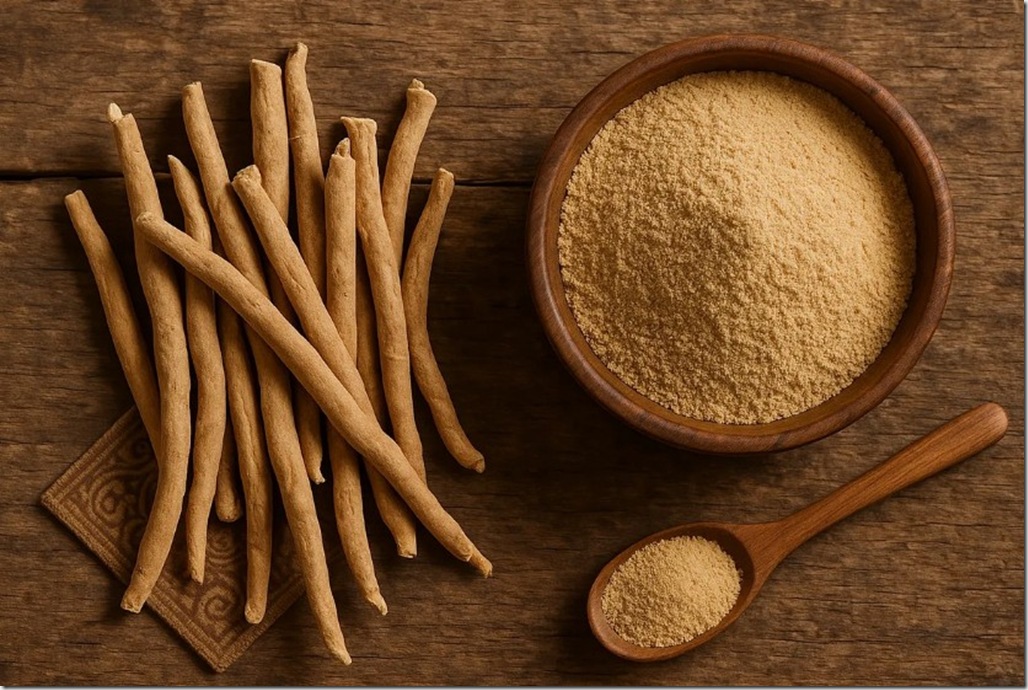
Traditional Knowledge (TK) refers to the accumulated wisdom, practices, and innovations of indigenous and local communities, often passed down orally or through codified texts over generations. India is well known for its traditional systems such as Ayurvedic, Siddha, Unani, and folk traditions. Indigenous systems rely on medicinal uses of plants like turmeric, neem, and ashwagandha and take a holistic approach for treatment and cure. The patent regime is designed to reward novelty, inventive step, and industrial applicability but excludes pure TK from protection due to its public domain nature and with an intent to leave it free.
The Patents Act, 1970 (as amended) explicitly addresses this through Section 3(p), which states that “an invention which in effect, is traditional knowledge or which is an aggregation or duplication of known properties of traditionally known component or components” is not an invention and hence not patentable. This provision acts as a defensive safeguard against biopiracy which is misappropriation of TK by vested parties seeking monopolies. It prevents patents on mere rediscoveries or simple combinations of existing herbal formulations, such as basic uses of turmeric for wound healing or neem as a pesticide.
Section 3(p) works alongside other exclusions in Section 3, such as 3(e) (mere admixtures) and requirements under Section 10(4)(d) for disclosing the source and geographical origin of biological material. Patent examiners consider TK as prior art, rendering claims lacking novelty or inventive step unpatentable. For inventions which appear to relate to TK, the examiners conduct prior art searches to establish if the invention is already known in the prior art.
A cornerstone of India’s strategy in the protection of TK is the Traditional Knowledge Digital Library (TKDL), launched in 2001 by CSIR and the Ministry of AYUSH. The TKDL digitizes and translates ancient texts into multiple languages (English, French, German, etc.) in patent-friendly formats. It has enabled international patent offices to access Indian TK as prior art. As a result, a large number of patent applications worldwide have been rejected, withdrawn, or amended. India has signed access agreements with over 17 patent offices, including the EPO, USPTO, and JPO.
There have been several high profile cases wherein patents relating to TK were overturned. In the Turmeric Patent (US Patent 5,401,504), the USPTO initially granted rights for wound-healing properties, but the CSIR opposed the patent and successfully had it revoked in 1997 by citing ancient Sanskrit texts and prior publications. The Neem case saw opposition to a European patent on neem oil fungicide, leading to revocation on grounds of lack of novelty. The Basmati rice dispute involved challenging a US patent on hybrid strains, protecting India’s geographical indications and export interests.
While pure TK remains non-patentable, value-added innovations derived from TK can qualify if they demonstrate substantial inventive steps, enhanced efficacy, or novel processes. There have been precedents set by courts in this matter. Recent Madras High Court rulings emphasize that inventions must go beyond “in effect” TK to be eligible.
There are still some challenges. These include documentation gaps, proving inventive step in incremental improvements, and balancing community rights with modern R&D. India’s approach aligns with international frameworks like the CBD (Convention on Biological Diversity) and TRIPS, prioritizing defensive protection while encouraging benefit-sharing.
In conclusion, India’s patent regime robustly protects TK from exploitation through statutory bars, digital tools like TKDL, and proactive litigation. It strikes a balance between preserving cultural heritage and fostering genuine innovation, serving as a global model against biopiracy.