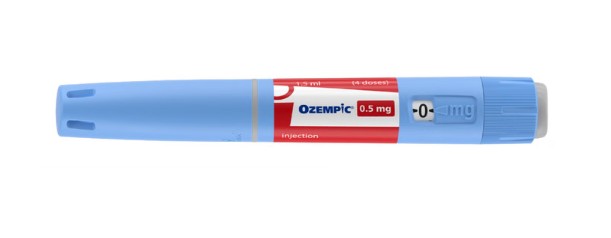
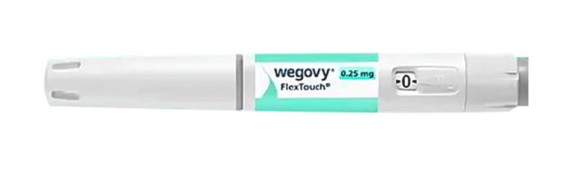
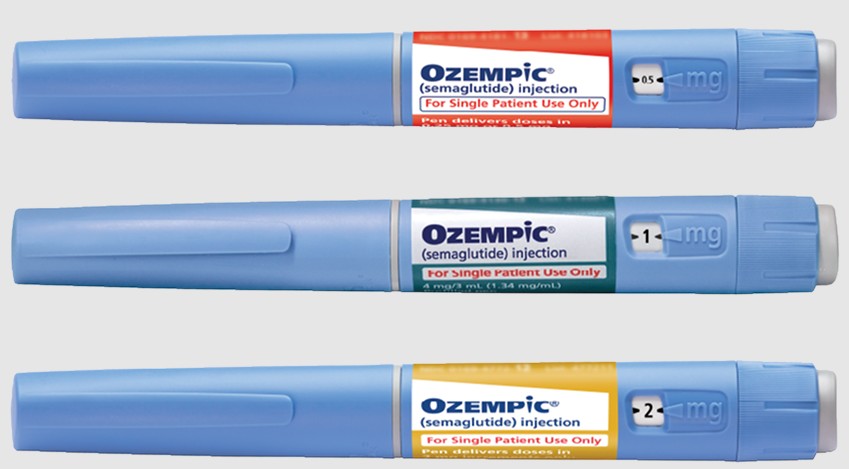
The semaglutide patent in India is set to expire in March 2026 (specifically on March 20), paving the way for a major influx of affordable alternatives to blockbuster drugs like Ozempic, Wegovy, and Rybelsus (from Novo Nordisk). This active ingredient of the drug, a GLP-1 receptor agonist used for type 2 diabetes management and weight loss, will soon face intense competition from domestic manufacturers.
Industry experts believe that over 50 branded generic versions may enter the Indian market shortly after the expiry of Novo Nordisk’s patent in India. Leading Indian pharma companies such as Sun Pharmaceutical Industries, Zydus Lifesciences, Dr. Reddy’s Laboratories, Lupin, Torrent Pharmaceuticals, Alkem Laboratories, and others are expected to launch their generic versions soon. Examples of anticipated brand names include:
Noveltreat and Sematrinity (Sun Pharma) Semaglyn, Mashema, and Alterme (Zydus) Semaglide (Alkem) Semastar (Torrent) Diagluton (Dr. Reddy’s), among many more.
The launch of generic versions is expected to drive significant price reductions — potentially 40-60% lower than current branded options — making treatment more accessible for diabetes and obesity patients.
Current monthly costs for original branded versions can range from ₹8,800-₹16,400 depending on dosage. Generic versions are expected to drop the cost to around ₹3,000-₹5,000 or less per month in many cases.
The expiry of Novo’s patent may mark a transformative moment for India’s diabetes and obesity care landscape, boosting adoption of GLP-1 therapies amid rising chronic disease prevalence. Launches of the generic versions are expected to begin almost immediately post-expiry, intensifying competition and expanding market reach.
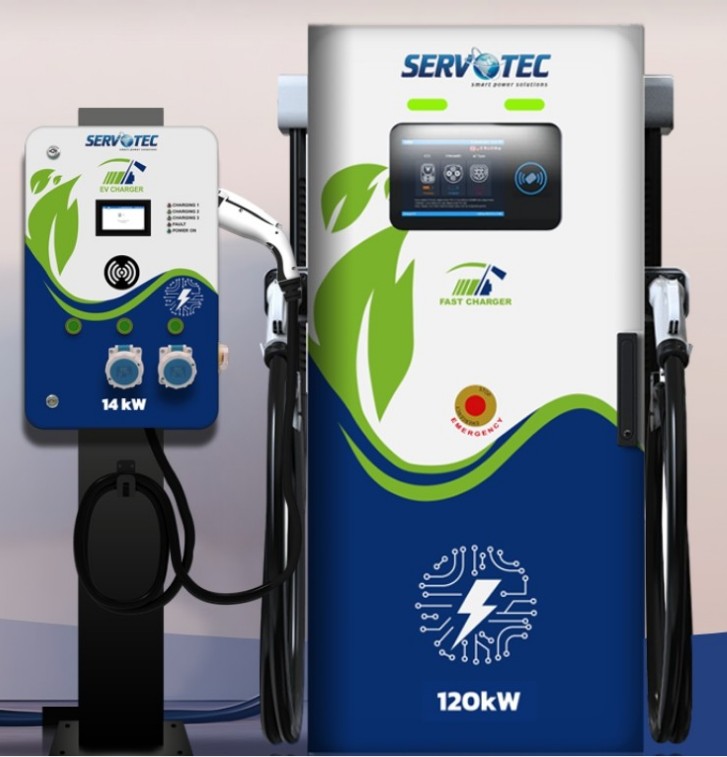
In a significant boost to India’s electric vehicle (EV) ecosystem, Servotech Renewable Power System Ltd. (NSE: SERVOTECH) and Pune-based Electra EV have been granted a joint patent by the Indian Patent Office for an innovative “Electric Vehicle Charging Device.” The 20-year patent, effective from December 4, 2023, under the Patents Act, 1970, addresses a long-standing interoperability challenge by enabling low-voltage EVs to use the country’s widely deployed high-voltage fast-charging infrastructure.
India’s EV market is growing rapidly, but a key divide persists: many affordable and practical vehicles — especially in the small commercial, pickup van, and last-mile delivery segments — operate on low-voltage platforms (typically 48V–72V and below 200V DC). These vehicles follow the GB/T Bharat DC 001 standard, which supports DC fast charging but is incompatible with the dominant Combined Charging System 2 (CCS2) infrastructure designed for higher-voltage passenger and commercial EVs (often 400V+). As a result, low-voltage EVs have historically been restricted to slower AC charging or required costly separate DC infrastructure.
The newly patented device changes that. It incorporates advanced power management and voltage conversion capabilities that allow safe, stable, and efficient energy transfer. Low-voltage EVs (sub-200V DC) can now plug into existing high-voltage CCS2 stations and receive fast DC charging without modifications to the charger hardware. A compact additional gadget or connector facilitates the protocol bridge between GB/T Bharat DC 001 and CCS2, eliminating the need for expensive dual-infrastructure deployment.
“This patented device has been designed to ensure safe, efficient, and reliable charging for such vehicles, helping accelerate EV adoption through improved charging compatibility,” said Arun Handa, Chief Technology Officer, Servotech Renewable Power System Ltd. “Low-voltage electric vehicles are a key part of India’s mobility ecosystem, particularly in segments like small commercial fleets.”
The innovation stems from a collaboration announced in April 2024, when Servotech and Electra EV first revealed their joint development of revolutionary interoperability solutions. At the time, they filed for patents on technology that would allow any GB/T Bharat DC 001 vehicle to charge from CCS2 networks. The grant of the patent now formalises ownership and paves the way for commercial rollout.
Why This Matters for India’s EV Transition
Low-voltage platforms dominate segments critical to India’s economy — e-rickshaws, small goods carriers, pickup vans, and urban last-mile delivery fleets. These vehicles offer lower upfront costs and suit short-range, high-frequency operations common in Indian cities. However, limited access to fast charging has slowed their scaling.
By making CCS2 stations — already installed across highways, malls, offices, and public spaces — usable for low-voltage vehicles, the technology dramatically improves convenience and utilisation rates of existing infrastructure. Fleet operators can now charge faster during peak hours without investing in dedicated low-voltage chargers. Consumers and businesses benefit from greater flexibility, reduced downtime, and lower overall infrastructure costs.
Joint patent ownership between Servotech (a leading Indian EV charging solutions provider) and Electra EV (specialising in EV powertrain and charging technologies) is expected to accelerate product development and market deployment. Servotech’s extensive manufacturing and deployment network, combined with Electra EV’s expertise in low-voltage systems, positions the partnership to capture a substantial share of the growing demand.
Broader Industry Impact
This development aligns with India’s push for standardised, inclusive EV charging under the Bharat standards. It reduces fragmentation in the charging network and supports the government’s goals of 30% EV penetration by 2030. Industry observers note that such interoperability solutions will be especially valuable as two- and three-wheeler fleets electrify further and small commercial vehicles expand.
The patent also underscores India’s growing strength in indigenous EV technology innovation. Rather than relying on imported adapters or foreign protocols, domestic companies are creating fit-for-purpose solutions tailored to local voltage ecosystems and usage patterns.
With the patent secured, Servotech and Electra EV are poised to commercialise the device in the coming months, potentially through Servotech’s Incharz subsidiary and existing charger installations. As India’s EV charging network expands to support millions of vehicles, innovations like this low-voltage fast-charging bridge will ensure no segment is left behind — powering a truly inclusive electric mobility future.
Bharat Electronics Limited (BEL), one of India’s leading state-owned defence and electronics company, has achieved another milestone in its research and development efforts. The Navratna PSU has been granted six additional patents, bringing its total portfolio to 341 granted patents.
This latest achievement further solidifies BEL’s position as a key innovator in the defence electronics sector. Alongside the patents, the company’s overall Intellectual Property Rights (IPRs), including those filed or granted, now stand at 914.
The newly granted patents relate to critical areas of defence technology, reinforcing BEL’s expertise in domains such as radar systems, communication equipment, electronic warfare, optronics, and other advanced defence solutions. These innovations will play a vital and important role in supporting India’s push for self-reliance (Atmanirbhar Bharat) in defence manufacturing and technology development.
BEL has consistently invested in R&D to develop indigenous technologies for the Indian Armed Forces and other strategic sectors. The steady growth in its patent portfolio highlights the company’s strong focus on cutting-edge research and its commitment to building a robust and reliable IP foundation.
This recent addition comes amid BEL’s continued success in securing major defence contracts and expanding its capabilities through collaborations and joint ventures.
With 341 patents now in its portfolio, BEL continues to strengthen its role as a cornerstone of India’s defence innovation ecosystem.
Indian pharmaceutical companies are gearing up to introduce low-cost generic versions of semaglutide—the active ingredient in Novo Nordisk’s blockbuster drugs Ozempic (for diabetes) and Wegovy (for weight loss)—following the expiration of the key patent in India.
The patent on semaglutide expires on March 20, 2026, which will pave the way for multiple domestic pharmaceutical manufacturers to launch affordable generic versions. This development is expected to significantly reduce prices, potentially by 40-60% or more compared to the branded medications, making these popular GLP-1 receptor agonist treatments more accessible amid rising demand for medications for treating diabetes and obesity.
Major pharma companies like Zydus Lifesciences, Dr. Reddy’s Laboratories, and others are preparing launches, with some aiming for monthly costs as low as ₹3,000–₹4,000 (or even lower as competition intensifies). Industry experts anticipate a flood of nearly 50 generic brands entering the market soon after the expiry, which could completely alter the pricing dynamics not just in India but also in other markets for semaglutide-based therapies.
While Novo Nordisk has recently launched Ozempic in India at a relatively lower entry price (around $97/month for certain doses), the company maintains its focus on branded trust rather than immediate price cuts in response to generics. In contrast, the U.S. and many other markets will see patent protections last much longer (into the 2030s), delaying widespread generic availability there.
This shift highlights India’s role as a global hub for affordable but good quality generic medicines, potentially expanding access to these transformative medications for millions in low- and middle-income countries across the globe.