Delhi High Court issues notice on plea seeking removal of India’s Controller General of Patents, Designs and Trademarks (CGPDTM)

The Delhi High Court on March 19, 2026, issued notice to the Centre and Prof. Unnat P. Pandit, the Controller General of Patents, Designs and Trade Marks (CGPDTM), on a plea seeking his removal from the post.

The plea has been filed by the All India Patent Officers’ Welfare Association (AIPOWA), which has challenged Prof. Pandit’s appointment as “illegal and arbitrary.” The association alleges that the appointment of Prof. Unnat P. Pandit as CGPDTM violated prescribed government norms and eligibility criteria.

Key grounds raised in the petition include:

– The selection process deviated from Department of Personnel and Training (DoPT) guidelines, including the failure to issue an open advertisement as required.
– Prof. Pandit allegedly lacked the mandatory five years of Annual Confidential Reports (ACRs)/Annual Performance Appraisal Reports (APARs) needed for such deputation-based appointments.
– Irregularities in the composition of the Search Committee and the decision to proceed without a fresh advertisement.
– The appointment was made for a five-year term, whereas DoPT norms prescribe an initial tenure of three years, extendable by up to two more years.

The High Court took note of a Supreme Court order directing it to decide the matter expeditiously and has now issued notice to the respondents. The case has been listed for further hearing in May 2026.

The petition is being represented by Advocate Gyanant Kumar Singh.

Top 10 Landmark Patent Case Laws in India

India’s patent system, governed by the Patents Act, 1970, has evolved through judicial interpretations that have made it more robust and exhaustive. Landmark cases have clarified concepts like inventive step, evergreening, compulsory licensing, infringement doctrines, and speedy trials. These rulings have shaped India’s position as a global generics hub and innovation destination.

Here are the top 10 landmark patent cases in India. These cases have been selected for their precedent-setting impact, citations in legal discourse, and contributions to the key doctrines of patentability. 

1. Biswanath Prasad Radhey Shyam v. Hindustan Metal Industries (1979)

Facts: A patent was granted for a simple device used in manufacturing utensils. The invention was challenged as lacking novelty and inventive step.  

Key Issue: What constitutes an “inventive step” under Section 2(1)(j)?  

Judgment: The Supreme Court revoked the patent, laying down the classic test: an invention must not be obvious to a person skilled in the art. Mere workshop improvements or known combinations do not qualify.  

Impact: This remains the foundational case for examining patent validity and obviousness in India. It set a high bar against frivolous patents.

2. Monsanto Company v. Coromandal Indag Products (1986)

Facts: Monsanto claimed patents over herbicide compositions containing Butachlor. The defendant argued the active ingredient and emulsification process were already publicly known.  

Key Issue: Novelty of known substances formulated in obvious ways.  

Judgment: The Supreme Court revoked the patents under Section 64, holding that Butachlor was globally known and emulsification was a standard process—not an invention.  

Impact: Reinforced that patents cannot be granted for mere discoveries or obvious formulations, influencing agrochemical and pharma cases.

3. Bajaj Auto Ltd. v. TVS Motor Company Ltd. (2009)

Facts: Bajaj sued TVS for infringing its patented DTS-i (Digital Twin Spark Ignition) technology used in motorcycles.  

Key Issue: Interim injunctions in patent suits and the need for speedy trials; application of the Doctrine of Equivalence.  

Judgment: The Supreme Court directed day-to-day hearings and disposal within months, emphasizing that IPR disputes affect national interest and public at large. The Madras High Court later upheld Bajaj’s patent using the “pith and marrow” test.  

Impact: Established the principle of expeditious resolution of patent disputes; widely cited for interim relief standards.

4. F. Hoffmann-La Roche Ltd. v. Cipla Ltd. (2012)

Facts: Roche sued Cipla over generic “Erlocip” (Erlotinib/Tarceva) for lung cancer, seeking an interim injunction.  

Key Issue: Patent infringement vs. public interest and affordability of life-saving drugs.  

Judgment: The Delhi High Court denied the interim injunction, requiring Cipla to maintain accounts and give undertakings. Public health considerations outweighed strict enforcement.  

Impact: Highlighted India’s pro-access stance in pharma; set precedents for balancing monopoly with generic entry.

5. Novartis AG v. Union of India (2013)

Facts: Novartis sought a patent for the beta-crystalline form of Imatinib Mesylate (Glivec/Gleevec), an anti-cancer drug.  

Key Issue: Interpretation of Section 3(d)–whether incremental innovations showing “enhanced therapeutic efficacy” qualify for patents (anti-evergreening).  

Judgment: The Supreme Court upheld the Patent Office’s rejection, ruling Section 3(d) is TRIPS-compliant and essential to prevent evergreening. Minor modifications without proven efficacy gains are not patentable.  

Impact: One of India’s most globally discussed rulings; cemented India’s leadership in affordable medicines and influenced pharma strategies worldwide.

6. Bayer Corporation v. Natco Pharma Ltd. / Union of India (2014)

Facts: Bayer’s patented cancer drug Nexavar (Sorafenib) cost ₹2.8 lakh/month. Natco applied for a compulsory licence.  

Key Issue: Grounds for compulsory licensing under Section 84 (public requirements not met, unaffordable pricing, non-working in India).  

Judgment: The Controller, IPAB, and Bombay High Court upheld India’s first compulsory licence, with Natco selling at ₹8,800/month (7% royalty to Bayer). Supreme Court dismissed Bayer’s SLP.  

Impact: Landmark for access to medicines; demonstrated India’s use of flexibilities under TRIPS/Doha Declaration.

7. Aloys Wobben v. Enercon India Ltd. (2014)

Facts: Wobben (wind turbine patents) faced multiple revocation petitions by Enercon; parallel infringement suits and counterclaims.  

Key Issue: Can revocation petitions before IPAB and counterclaims in High Court proceed simultaneously?  

Judgment: The Supreme Court held that pursuing both remedies is impermissible and duplicative; parties must elect one forum.  

Impact: Streamlined patent validity challenges and clarified procedural hierarchy between IPAB and civil courts.

8. Merck Sharp & Dohme Corp. v. Glenmark Pharmaceuticals (2015)

Facts: Merck sued over Sitagliptin (Januvia) diabetes drug; Glenmark launched a similar phosphate salt version.  

Key Issue: Scope of infringement and validity challenges (obviousness, disclosure).  

Judgment: Delhi High Court upheld Merck’s patent, found infringement, and granted injunction. Small modifications do not escape liability if the core invention is copied.  

Impact: Strengthened enforcement of pharmaceutical patents while clarifying the heavy burden on defendants to prove invalidity.

9. Monsanto Technology LLC v. Nuziveedu Seeds Ltd. (2019)

Facts: Dispute over Bt cotton technology patents and licensing terms for GM seeds.  

Key Issue: Summary adjudication in complex biotech patent suits; patentability of plant varieties vs. gene traits.  

Judgment: The Supreme Court cautioned against summary judgments in technically complex cases, directing expert evidence and full trial. It also addressed licensing and trait protection.  

Impact: Guided handling of agro-biotech patents and emphasized evidence-based adjudication in emerging technologies.

10. Bayer Corporation v. Union of India (Bolar/Export Exception clarification, 2019–related) & related SEP/FRAND cases (e.g., Ericsson v. Micromax, 2013 onward)

(Representing the evolving line on research exceptions and Standard Essential Patents)  

Broader Impact: Delhi High Court rulings expanded Section 107A (Bolar exception) to include experimental exports. SEP cases like Ericsson v. Micromax/Lava established FRAND licensing principles in India’s booming telecom sector.  

Significance: These reflect India’s maturing jurisprudence on research exemptions and fair licensing in high-tech fields.
Who can apply for a patent in India?

An application for a patent for an invention i.e. a patent application can be filed by any of the following persons, either alone or jointly with any other eligible person/persons:

  • The true and first inventor of the invention.
  • The assignee of the true and first inventor (in respect of the right to apply for the patent).
  • The legal representative of any deceased true and first inventor (or of their assignee), where the deceased person was entitled to apply immediately before their death.

Key definitions and clarifications:

  • The term “person” includes both natural persons (individuals) and legal entities such as the Government, registered companies, small entities, startups, research organizations, or educational institutions.
  • “True and first inventor” refers to the person who actually conceived the invention. It does not include:
    • The first importer of the invention into India, or
    • A person to whom the invention was first communicated from outside India.
  • The applicant must disclose the name, address, and nationality of the true and first inventor(s) in the application.
  • “Assignee” can be any natural person or legal entity (as listed above). It also includes an assignee of an assignee (chain of assignments).
  • “Natural person” means an individual or group of individuals.
  • “Other than natural person” refers to entities like companies, startups, research organizations, educational institutes, or the Government.
  • “Legal representative” means a person who legally represents the estate of a deceased person (e.g., executor, heir, or administrator).

Proof of right requirements (when the applicant is not the inventor):

  • If the inventor(s) is/are not the applicant(s), the applicant must submit proof of right to apply for the patent. This can be:
    • An endorsement in the appropriate section of Form-1, or
    • A duly authenticated/notarized assignment deed from the inventor(s) in favor of the applicant(s).
  • This proof must be filed within 6 months from the date of filing the application in India.
  • The requirement applies to both national applications and Convention/National Phase (PCT) applications entering India.

50+ Semaglutide Generics to Enter India as Patent Expires in March 2026

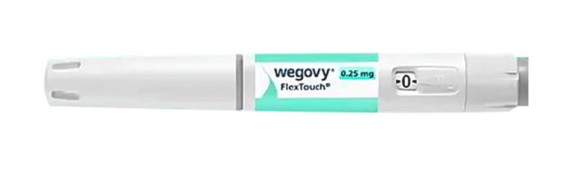
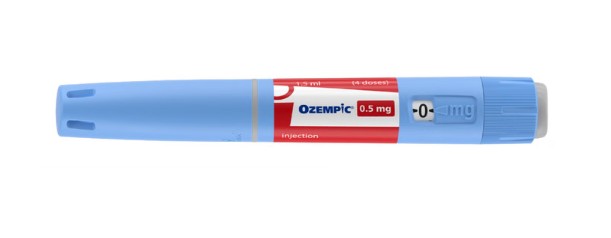
The semaglutide patent in India is set to expire in March 2026 (specifically on March 20), paving the way for a major influx of affordable alternatives to blockbuster drugs like Ozempic, Wegovy, and Rybelsus (from Novo Nordisk). This active ingredient of the drug, a GLP-1 receptor agonist used for type 2 diabetes management and weight loss, will soon face intense competition from domestic manufacturers.

Industry experts believe that over 50 branded generic versions may enter the Indian market shortly after the expiry of Novo Nordisk’s patent in India. Leading Indian pharma companies such as Sun Pharmaceutical Industries, Zydus Lifesciences, Dr. Reddy’s Laboratories, Lupin, Torrent Pharmaceuticals, Alkem Laboratories, and others are expected to launch their generic versions soon. Examples of anticipated brand names include:

Noveltreat and Sematrinity (Sun Pharma)
Semaglyn, Mashema, and Alterme (Zydus)
Semaglide (Alkem)
Semastar (Torrent)
Diagluton (Dr. Reddy’s), among many more.

The launch of generic versions is expected to drive significant price reductions — potentially 40-60% lower than current branded options — making treatment more accessible for diabetes and obesity patients.

Current monthly costs for original branded versions can range from ₹8,800-₹16,400 depending on dosage. Generic versions are expected to drop the cost to around ₹3,000-₹5,000 or less per month in many cases.

The expiry of Novo’s patent may mark a transformative moment for India’s diabetes and obesity care landscape, boosting adoption of GLP-1 therapies amid rising chronic disease prevalence. Launches of the generic versions are expected to begin almost immediately post-expiry, intensifying competition and expanding market reach.

Jurisdiction of Patent Offices in India

The Indian Patent Office operates from four branches i.e. Kolkata, Delhi, Chennai, and Mumbai. The Kolkata patent office serves as the headquarters. Unlike many other countries with a single central office, India operates from these four locations. All patent-related procedures are handled across these offices.

A patent application must be filed at the appropriate Patent Office based on the territorial jurisdiction, determined by the following criteria (in order of priority, as per Rule 4 of the Patents Rules, 2003):

  • The place of residence, domicile, or principal place of business of the applicant (or the first-named applicant in case of joint applicants), or
  • The place where the invention actually originated, or
  • For foreign applicants (with no residence, domicile, or place of business in India), the address for service in India provided by the applicant (typically the address of their duly appointed Indian patent agent).

Additionally, any divisional application (under Section 16 of the Patents Act, 1970) must be filed at the same appropriate office as the original (parent) application.

The current territorial jurisdictions of the patent offices are:

  • Mumbai: Covers the states of Maharashtra, Gujarat, Madhya Pradesh, Goa, and Chhattisgarh, along with the Union Territories of Daman & Diu and Dadra & Nagar Haveli.
  • Delhi (New Delhi branch): Covers the states of Haryana, Himachal Pradesh, Punjab, Rajasthan, Uttar Pradesh, Uttarakhand, along with the National Capital Territory of Delhi, and the Union Territories of Chandigarh, Jammu & Kashmir, and Ladakh.
  • Chennai: Covers the states of Andhra Pradesh, Karnataka, Kerala, Tamil Nadu, and Telangana, along with the Union Territories of Puducherry (Pondicherry) and Lakshadweep.
  • Kolkata: Covers the rest of India including states such as Bihar, Jharkhand, Odisha, West Bengal, Sikkim, Assam, Meghalaya, Manipur, Tripura, Nagaland, Arunachal Pradesh, and the Union Territory of Andaman & Nicobar Islands.

Once filed, the jurisdiction of the appropriate office is generally not changed. However, the Controller may reallocate an application to any of the four offices if it is deemed necessary.

All applicants (including foreign ones) and their patent agents must provide an address for service in India, which should include a postal address, an email address, and a mobile number registered in India. This address is used for all official communications and proceedings under the Patents Act and Rules.

Servotech and Electra EV Secure Joint Patent for Low-Voltage EV Fast-Charging Device in India

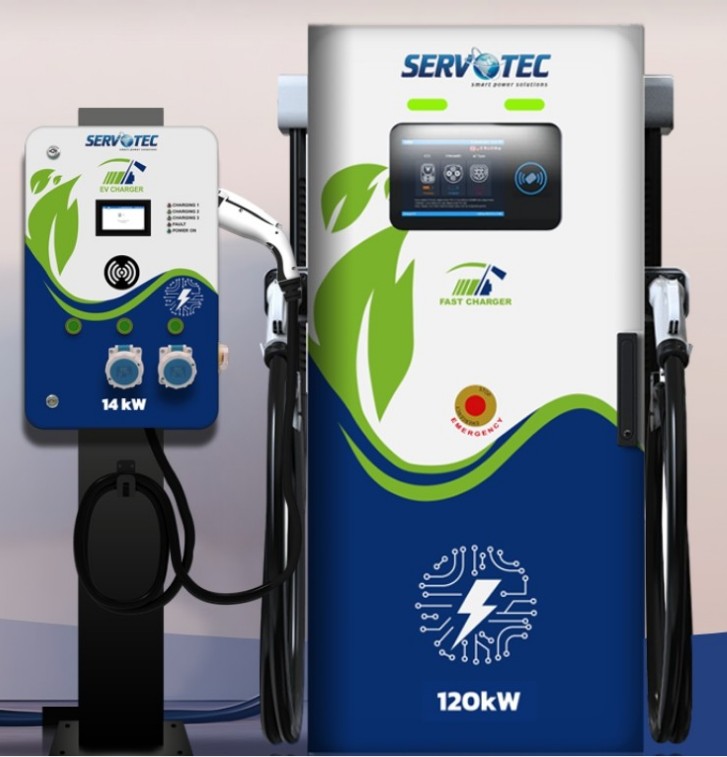
In a significant boost to India’s electric vehicle (EV) ecosystem, Servotech Renewable Power System Ltd. (NSE: SERVOTECH) and Pune-based Electra EV have been granted a joint patent by the Indian Patent Office for an innovative “Electric Vehicle Charging Device.” The 20-year patent, effective from December 4, 2023, under the Patents Act, 1970, addresses a long-standing interoperability challenge by enabling low-voltage EVs to use the country’s widely deployed high-voltage fast-charging infrastructure.

India’s EV market is growing rapidly, but a key divide persists: many affordable and practical vehicles — especially in the small commercial, pickup van, and last-mile delivery segments — operate on low-voltage platforms (typically 48V–72V and below 200V DC). These vehicles follow the GB/T Bharat DC 001 standard, which supports DC fast charging but is incompatible with the dominant Combined Charging System 2 (CCS2) infrastructure designed for higher-voltage passenger and commercial EVs (often 400V+). As a result, low-voltage EVs have historically been restricted to slower AC charging or required costly separate DC infrastructure.

The newly patented device changes that. It incorporates advanced power management and voltage conversion capabilities that allow safe, stable, and efficient energy transfer. Low-voltage EVs (sub-200V DC) can now plug into existing high-voltage CCS2 stations and receive fast DC charging without modifications to the charger hardware. A compact additional gadget or connector facilitates the protocol bridge between GB/T Bharat DC 001 and CCS2, eliminating the need for expensive dual-infrastructure deployment.

“This patented device has been designed to ensure safe, efficient, and reliable charging for such vehicles, helping accelerate EV adoption through improved charging compatibility,” said Arun Handa, Chief Technology Officer, Servotech Renewable Power System Ltd. “Low-voltage electric vehicles are a key part of India’s mobility ecosystem, particularly in segments like small commercial fleets.”

The innovation stems from a collaboration announced in April 2024, when Servotech and Electra EV first revealed their joint development of revolutionary interoperability solutions. At the time, they filed for patents on technology that would allow any GB/T Bharat DC 001 vehicle to charge from CCS2 networks. The grant of the patent now formalises ownership and paves the way for commercial rollout.

Why This Matters for India’s EV Transition

Low-voltage platforms dominate segments critical to India’s economy — e-rickshaws, small goods carriers, pickup vans, and urban last-mile delivery fleets. These vehicles offer lower upfront costs and suit short-range, high-frequency operations common in Indian cities. However, limited access to fast charging has slowed their scaling.

By making CCS2 stations — already installed across highways, malls, offices, and public spaces — usable for low-voltage vehicles, the technology dramatically improves convenience and utilisation rates of existing infrastructure. Fleet operators can now charge faster during peak hours without investing in dedicated low-voltage chargers. Consumers and businesses benefit from greater flexibility, reduced downtime, and lower overall infrastructure costs.

Joint patent ownership between Servotech (a leading Indian EV charging solutions provider) and Electra EV (specialising in EV powertrain and charging technologies) is expected to accelerate product development and market deployment. Servotech’s extensive manufacturing and deployment network, combined with Electra EV’s expertise in low-voltage systems, positions the partnership to capture a substantial share of the growing demand.

Broader Industry Impact

This development aligns with India’s push for standardised, inclusive EV charging under the Bharat standards. It reduces fragmentation in the charging network and supports the government’s goals of 30% EV penetration by 2030. Industry observers note that such interoperability solutions will be especially valuable as two- and three-wheeler fleets electrify further and small commercial vehicles expand.

The patent also underscores India’s growing strength in indigenous EV technology innovation. Rather than relying on imported adapters or foreign protocols, domestic companies are creating fit-for-purpose solutions tailored to local voltage ecosystems and usage patterns.

With the patent secured, Servotech and Electra EV are poised to commercialise the device in the coming months, potentially through Servotech’s Incharz subsidiary and existing charger installations. As India’s EV charging network expands to support millions of vehicles, innovations like this low-voltage fast-charging bridge will ensure no segment is left behind — powering a truly inclusive electric mobility future.

Bharat Electronics Limited (BEL) Boosts Innovation Portfolio with Six New Patents, Reaching 341 Total

Bharat Electronics Limited (BEL), one of India’s leading state-owned defence and electronics company, has achieved another milestone in its research and development efforts. The Navratna PSU has been granted six additional patents, bringing its total portfolio to 341 granted patents.

This latest achievement further solidifies BEL’s position as a key innovator in the defence electronics sector. Alongside the patents, the company’s overall Intellectual Property Rights (IPRs), including those filed or granted, now stand at 914.

The newly granted patents relate to critical areas of defence technology, reinforcing BEL’s expertise in domains such as radar systems, communication equipment, electronic warfare, optronics, and other advanced defence solutions. These innovations will play a vital and important role in supporting India’s push for self-reliance (Atmanirbhar Bharat) in defence manufacturing and technology development.

BEL has consistently invested in R&D to develop indigenous technologies for the Indian Armed Forces and other strategic sectors. The steady growth in its patent portfolio highlights the company’s strong focus on cutting-edge research and its commitment to building a robust and reliable IP foundation.

This recent addition comes amid BEL’s continued success in securing major defence contracts and expanding its capabilities through collaborations and joint ventures.

With 341 patents now in its portfolio, BEL continues to strengthen its role as a cornerstone of India’s defence innovation ecosystem.

Ozempic & Wegovy Go Generic: Indian Pharma Set to Slash Prices After 2026 Patent Expiry

Indian pharmaceutical companies are gearing up to introduce low-cost generic versions of semaglutide—the active ingredient in Novo Nordisk’s blockbuster drugs Ozempic (for diabetes) and Wegovy (for weight loss)—following the expiration of the key patent in India.

The patent on semaglutide expires on March 20, 2026, which will pave the way for multiple domestic pharmaceutical manufacturers to launch affordable generic versions. This development is expected to significantly reduce prices, potentially by 40-60% or more compared to the branded medications, making these popular GLP-1 receptor agonist treatments more accessible amid rising demand for medications for treating diabetes and obesity.

Major pharma companies like Zydus Lifesciences, Dr. Reddy’s Laboratories, and others are preparing launches, with some aiming for monthly costs as low as ₹3,000–₹4,000 (or even lower as competition intensifies). Industry experts anticipate a flood of nearly 50 generic brands entering the market soon after the expiry, which could completely alter the pricing dynamics not just in India but also in other markets for semaglutide-based therapies.

While Novo Nordisk has recently launched Ozempic in India at a relatively lower entry price (around $97/month for certain doses), the company maintains its focus on branded trust rather than immediate price cuts in response to generics. In contrast, the U.S. and many other markets will see patent protections last much longer (into the 2030s), delaying widespread generic availability there.

This shift highlights India’s role as a global hub for affordable but good quality generic medicines, potentially expanding access to these transformative medications for millions in low- and middle-income countries across the globe.

History of Patent Law in India

The history of the patent law in India spans over 170 years, evolving from the colonial era where British commercial interests were the goal to a modern framework that tries to balance innovation and public good, progress and national development. These developments reflect India’s broader transition from colonial dependency to a self-reliant economy and, later, full integration into the global intellectual property regime under the World Trade Organization’s Agreement on Trade-Related Aspects of Intellectual Property Rights (TRIPS). Today, the patent system in India serves as a cornerstone for fostering scientific research and development, attracting foreign investment, and ensuring affordable access to essential technologies, particularly in the field of healthcare.

The foundations of the patent system in India were laid during British rule. The first legislation, Act VI of 1856, granted exclusive privileges for new inventions based on the British Patent Law of 1852, offering a 14-year term for novel manufactures. The said Act lacked and was therefore repealed in 1857. It was then replaced by Act XV of 1859, which refined the system by terming monopolies as “exclusive privileges” and extending the priority period to 12 months. Subsequently laws were enacted which included the Patterns and Designs Protection Act (Act XIII of 1872) and the Protection of Inventions Act (1883). These laws were consolidated in 1888 and ultimately replaced by the comprehensive Indian Patents and Designs Act of 1911. This Act introduced formal requirements for novelty, utility, and inventive step, along with opposition and revocation procedures. However, it heavily favoured foreign and British applicants, restricting local innovation in an agrarian economy and limiting pharmaceutical product patents to protect imperial trade interests.

After India achieved independence, the shortcomings of the colonial patent system were recognized, and measures were taken to rectify it. Two expert committees: the Bakshi Tek Chand Committee (1949) and the Justice N. Rajagopala Ayyangar Committee (1957) criticised the 1911 Act for failing to stimulate indigenous invention or secure public benefits. Their observations and recommendations shaped the Patents Act, 1970, which came into force on 1 January 1972.

The new Act brought about a revolutionary shift: only process patents were allowed for food, drugs, chemicals, and medicines, enabling reverse engineering and generic production. This policy deliberately shortened patent terms for these sectors (five to seven years initially) while maintaining 14 years for inventions in other domains. Compulsory licensing under Section 84 was introduced to address non-working of patents or exorbitant pricing. The Act prioritised self-reliance, industrial growth, and affordable medicines, which acted as an impetus to the rise of India’s generic pharmaceutical industry. It transformed India into the “pharmacy of the world” while curbing foreign monopolies.

In 1995, India joined the WTO which brought the patent system in alignment TRIPS, which mandated product patents and a uniform 20-year term. A 10-year transition period was granted for developing countries. The Patents (Amendment) Act, 1999 introduced the “mailbox” system under Section 5 for deferred pharmaceutical product applications and Exclusive Marketing Rights (EMR) as interim protection. The 2002 Amendment extended the general patent term to 20 years, redefined “invention” to include inventive step, allowed deferred examination, made microorganisms patentable, and incorporated Bolar provisions for regulatory testing. The exhaustive Patents (Amendment) Act, 2005 which was effective retrospectively from 1 January 2005 deleted Section 5, opened the mailbox, and granted full product patents across all fields, including pharmaceuticals. Crucially, Section 3(d) was added to prevent “evergreening” by requiring enhanced therapeutic efficacy for minor modifications of known substances. Section 3(p) excluded traditional knowledge, while the Traditional Knowledge Digital Library was developed later to assist the examiners in this direction.

In its current form, the Patents Act, 1970 (as amended) is administered by the Indian Patent Office under the Controller General of Patents, Designs and Trade Marks. India has acceded to the Paris Convention, Patent Cooperation Treaty (PCT), and Budapest Treaty. The system now encourages research and development, biotechnology patents, and foreign direct investment while retaining flexibilities like compulsory licensing. Landmark cases such as Novartis v. Union of India (2013) have upheld Section 3(d), which has been crucial in ensuring cheap and affordable drugs.

The evolution of India’s patent system demonstrates pragmatic adaptation: from colonial exploitation to socialist self-reliance, and finally to TRIPS-compliant globalisation with strong public-interest safeguards. There are many challenges r such as application backlogs, enforcement delays, and balancing monopoly rights with healthcare equity but the Indian patent system has been successful in encouraging innovation, positioned India as a global generics leader, and ensured that intellectual property serves both economic progress and welfare of the nation. As India aspires to become a developed nation by 2047, its patent history continues to guide this delicate equilibrium.